-
Some Important Facts About Melatonin
Thursday, April 18th, 2024by Dr. Gregory Brown
The hormone melatonin comes from the pineal gland, which is located in the brain. Melatonin is produced by the amino acid tryptophan and helps to regulate the body’s sleep and wake cycles, known as circadian rhythms.
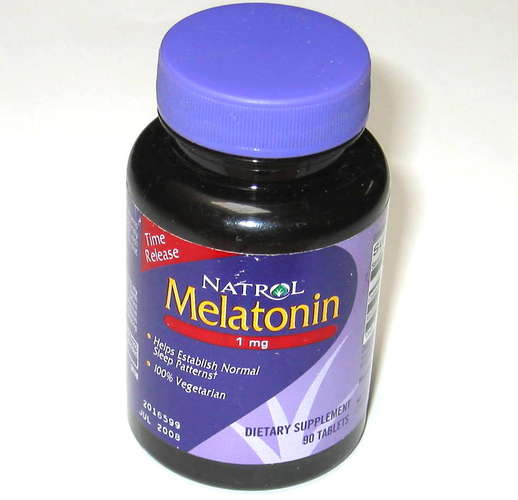
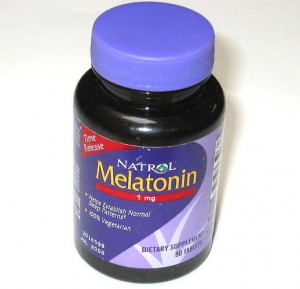 Melatonin in small amounts can be found in fruits, vegetables, grains and meats. It is also sold as as a dietary supplement at health food stores or over the internet on vitamin websites.
How Melatonin Works
The natural cycle of sleeping and waking is controlled by your body’s own internal clock. Your body clock decides how much melatonin your body should manufacture, based on the amount of light you are exposed to during the day.
Typically, the level of melatonin in your body begins to rise after 9 p.m. or so, and then remains at a high level during most of the night. As dawn approaches, melatonin levels start to decline and the body prepares to wake itself up.
The amount of melatonin your body produces is affected by your exposure to light. That’s why some people can have trouble sleeping in the winter when the days are shorter, and may also suffer from seasonal affective disorder (SAD).
Melatonin and Aging
Melatonin levels in the body decline gradually as we get older. There are some elderly persons whose bodies may produce hardly any melatonin at all, leading to sleeping disorders like insomnia.
Melatonin supplements can help treat chronic sleeplessness in senior citizens. Melatonin can also help people who have trouble falling asleep due to jet lag or working the night shift.
During the night, our bodies regenerate vital tissues and restore glycogen reserves. Because melatonin is the natural agent that prepares us for sleep and circulates in our bodies while we sleep, it plays a key role in the body’s regenerative process.
Melatonin is thought to be especially beneficial in the repair, regeneration and rejuvenation of the brain during sleep. Among the anti-aging effects of melatonin are boosting of natural antioxidant levels, improvement in the DNA repair mechanism, and enhancement of the body’s immune system.
Health Benefits of Melatonin
Research is being done to see if melatonin tablets can slow or even stop the spread of cancer. Melatonin has shown strong antioxidant effects, and preliminary research suggests that it may help strengthen the immune system.
Taking melatonin may actually allow people to age more slowly, as it is thought to boost the body’s ability to regenerate while asleep.
Several studies have shown a link between melatonin levels and breast cancer risk. For example, women diagnosed with breast cancer tend to have lower levels of melatonin than women without the disease.
Side Effects of Melatonin
Melatonin side effects may include headache, stomach trouble, lowered body temperature and general sluggishness upon awakening. People taking melatonin may also experience drowsiness and must be very careful when operating machinery or driving a car.
Melatonin is known to cause changes in progesterone levels and other hormones controlled by the pituitary gland. Females who are pregnant, nursing or trying to become pregnant should avoid taking melatonin supplements.
Use of melatonin during pregnancy may possibly lead to developmental disorders in the fetus, while high levels of melatonin may have a contraceptive effect on couples hoping to conceive.
Males taking melatonin supplements may experience lowered sperm count, decreased sperm mobility and increased male breast size. Both males and females may experience a decrease in sex drive.
Taking melatonin tablets may cause an increase in cholesterol and a decrease in blood pressure. Individuals with type 1 diabetes have experienced elevated blood sugar levels while using melatonin.
Even small doses of melatonin can cause reduced glucose tolerance and insulin sensitivity. Heart arrhythmia is often linked to regular use of melatonin supplements.
Melatonin may lead to negative interactions with a variety of common medications such as antidepressant medications, steroidal medications, birth control pills, anti-inflammatory medications, and blood thinning/blood pressure medications.
Individuals taking any of these medications should consult with their physician. Melatonin supplements may also interact negatively with caffeine, tobacco and alcohol.
Proper Melatonin Dosage
Melatonin supplements are normally safe in low dosages for short or long periods of time. But it is important to consult with a doctor before beginning melatonin sleep therapy. Children under 12 and women who are pregnant or breastfeeding should avoid taking melatonin without a doctor’s permission.
The proper dosage of melatonin fluctuates widely from individual to individual, but most adults are safe taking 1 to 2 milligrams before bedtime. Consult with a physician to find out what dosage is best for you.
Where to Buy Melatonin
Melatonin supplements are available at drug stores, health food shops and through online pharmacies. Avoid melatonin made from cow pineal glands – only take natural melatonin that is man-made and safe for human use. Melatonin comes in capsule, tablet, cream and lozenge forms.
In the United States and Canada, melatonin is an OTC (over the counter) supplement, available without a prescription. However, in the United Kingdom, it is only available with a doctor’s prescription. Make sure you understand the regulations of the particular country you are in (or traveling to) before buying or importing melatonin.
(published January 4, 2011)

Latest Health News Tweets:
- There have been no recent tweets.
Share Your Weight Loss Story!


Grab a Weight Loss Badge!