-
Ask the Doctor: Does Stomach Staple Surgery Work?
Saturday, April 20th, 2024by Dr. Robert Smith
For extremely overweight or morbidly obese individuals who have made many unsuccessful attempts at losing weight, stomach staple surgery may be one of their few remaining weight loss solutions. This is a major operation, during which a bariatric surgeon creates a small pouch at the top of the stomach where it meets the esophagus. The procedure is done through the use of staples and a band that is filled with saline which can expand and contract.
The success of weight loss surgery often depends on the willingness of the patient to change his or her eating and exercise habits. There are also significant side effects and risks associated with this surgery, which means that it should only be done after serious consideration of all the potential risks and rewards.
Vertical Banded Gastroplasty (VBG)
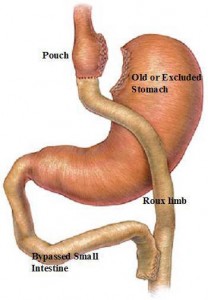 In bariatric medicine, stomach stapling – also known as gastric stapling or gastroplasty – is a surgical technique which uses gastric staples to reduce the size of the stomach, creating a “new” stomach pouch. The pouch will typically be big enough to hold one to three ounces of food at a time.
At the lower end of this “new” stomach, an opening of about two centimeters is created. This slows down the passage of food, allowing the individual to feel full sooner. As a result, the individual can eat only a small quantity of food at a time.
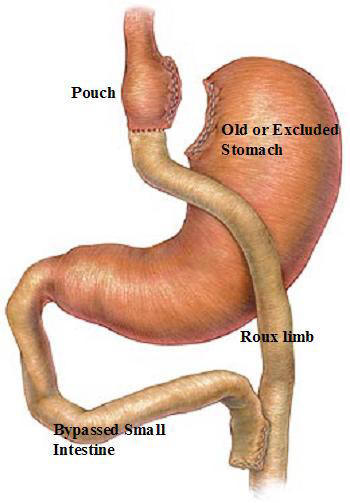
Sometimes stomach staple surgery is done in conjunction with another procedure called a malabsorptive operation, in which food from the stomach is diverted past much of the small intestine. This dramatically limits the ability of the body to absorb calories and nutrients from the food, resulting in rapid weight loss.
After Stomach Staple Surgery
After stomach staple surgery, a patient will be forced to change daily eating patterns. It will be necessary to eat food in smaller amounts and to chew thoroughly.
The patient will not be able to eat foods high in sugar or fat, because these foods empty from the stomach more quickly than foods high in protein or complex carbohydrates, thereby leading to uncomfortable side effects. This is formally known as “dumping syndrome,” where food passes through the new stomach opening too rapidly, causing weakness, nausea, dizziness and vomiting.
The patient will also need to take nutritional supplements for the rest of his or her life, because there will not be enough nutrition in the reduced portions of food. Regular physical activity will also be required, despite it not having been a part of the patient’s life prior to the surgery.
Stomach Staple Surgery Cost
How much does stomach staple surgery cost? The price for bariatric stomach stapling averages between $20,000 and $30,000. Stomach stapling is considered major weight loss surgery. To be accepted for bariatric surgery, an individual needs to have a body mass index (BMI) of over 40.
For males, this means being at least 100 pounds overweight for their height. Females must be at least 80 pounds over the healthy weight range for their height. Health insurance may or may not cover the operation, depending on the particular insurance plan.
Will Stomach Staple Surgery Lead to Permanent Weight Loss?
In most cases, maximum weight loss is reached in 12 to 24 months after the surgery. Unfortunately, some individuals will not be successful, as permanent weight loss depends greatly on an individual’s motivation to make permanent changes to his or her lifestyle habits.
Even more than the surgery itself, these other factors remain the keys to successful weight loss and weight maintenance for the longer term.
Complete weight loss takes anywhere from 12 to 24 months after stomach staple surgery is performed. But long-term success of weight loss surgery ultimately depends on the individual’s motivation to change his or her lifestyle.
Is Stomach Staple Surgery Dangerous?
While stomach stapling is a fairly straightforward procedure, it still carries risks. After the surgery, consumption of sugar and fat can cause what is known as “dumping syndrome,” in which food moves through the stomach too quickly, leading to nausea, vomiting, muscle weakness, and even fainting:
In addition, from 10 to 20 percent of those individuals who undergo this form of gastric bypass surgery will require at least one follow-up operation due to complications. For example, the staples can deteriorate and will need replacement.
In a small number of cases, stomach juices from can leak into the abdomen, requiring immediate emergency surgery. In less than one percent of stomach staple surgery cases, infection can lead to death.
Clearly, the risks and rewards of this type of weight loss surgery should be considered very carefully through consultation with a bariatric physician experienced in bariatric gastric bypass before deciding to go ahead. Make sure your surgeon is board certified, and ask to speak to other patients who have had a similar procedure performed to gauge their satisfaction.
(published September 26, 2009)

Latest Health News Tweets:
- There have been no recent tweets.
Share Your Weight Loss Story!


Grab a Weight Loss Badge!