-
Do You Have Narcolepsy Symptoms?
Wednesday, April 10th, 2024by Dr. Gregory Brown
The symptoms of narcolepsy vary from individual to individual. While some folks experience one particular symptom of this disorder, someone else may suffer another sign of narcolepsy, or sometimes several all at once. Sleeping sickness symptoms can be identified as weak or strong, and how they affect each sufferer varies as well.
A physical exam and comprehensive medical history are required to assure a correct diagnosis of narcolepsy. Several specific narcolepsy tests performed in a sleep disorders clinic or sleep lab are normally required before a diagnosis can be confirmed. The two tests presently is use for confirming a diagnosis of narcolepsy are the polysomnogram test (PSG) and the multiple sleep latency test (MSLT).
Sleeping Sickness
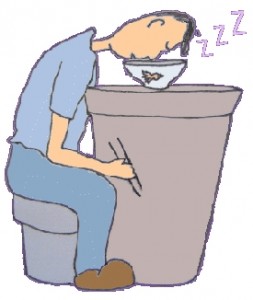 The primary narcolepsy symptom is falling asleep without notice at unpredictable times of the day or night. This sudden lack of consciousness without warning is why narcolepsy is also known as the “sleeping sickness.”
Narcolepsy is not related to how fatigued a person is feeling. When an individual suddenly dozes off, it is because their brain has gone from its waking state into its dream cycle.
This sudden and unexpected lack of consciousness is only one symptom of this unusual sleep disorder. There are other indications and manifestations of narcolepsy and while some folks may not display any of these, others show some or even most of them.
Cataplexy
Another of these narcolepsy symptoms is known as cataplexy. This occurs when the body suddenly loses all of its muscle tone. Cataplexy can happen at absolutely anytime, regardless of what the sufferer is doing. A person in a state of cataplexy cannot move their body at all.
Fortunately, an attack of cataplexy doesn’t last very long. After the passage of several minutes, the person usually returns to normal. The dangers of cataplexy happen when the person is involved in a risky or potentially dangerous activity. That’s why people who have narcolepsy with cataplexy are not allowed to do things like drive a car or operate machinery.
Sleep Paralysis
Another symptom of sleeping sicknesss is temporary paralysis. This happens when without warning an individual suddenly cannot move their body or speak, despite perceiving themselves to be fully awake. The state of sleep paralysis occurs most often while in a deep sleep or when on the verge of waking up.
Sleep paralysis episodes are generally short-lived, lasting from a few seconds to several minutes. After the episodes end, people quickly recover their capacity to speak and move.
Hypnagogic Hallucinations
Vivid hallucinations may also afflict individuals with narcolepsy. Because they seem so real, these hallucinations are very scary to folks with this type of sleeping sickness. Hypnagogic hallucinations are thought to occur in up to fifty percent of people suffering from narcolepsy.
These delusional experiences are usually vivid and often quite frightening. The content of the hallucinations is mostly visual, but any of the other senses can be involved. These hallucinations are termed hypnagogic when accompanying the onset of sleep and hypnopompic when occurring while awakening.
Narcolepsy Treatments
Unfortunately, there are not many treatments for this sleep disorder yet, due primarily to a lack of scientific research. However, there are still some steps a narcolepsy sufferer can take to try to cure or at least mitigate its debilitating effects.
A multifaceted approach to narcolepsy treatment seems to be the most effective for persons suffering from this disorder. Narcolepsy medication in conjunction with other treatments will attempt to re-program the brain and its sleeping patterns.
While there is no definitive cure for narcolepsy, the most disabling symptoms of this sleeping disorder (EDS and manifestations of abnormal REM sleep, e.g. cataplexy) can be managed in most individuals through various medications. For example, pronounced sleepiness is treated with amphetamine-like stimulants, while the abnormal REM sleep symptoms are managed with antidepressant medications.
A new drug has recently been approved for those who suffer from narcolepsy with cataplexy. Called Xyrem, this medication helps individuals with narcolepsy to get a better night’s sleep, and to be less sleepy during daytime hours. But it should be remembered that while individuals with narcolepsy can be substantially helped by medical treatment, in most cases they cannot be fully cured.
If a person wishes to deal with narcolepsy by natural means, then avoiding caffeine, alcohol, nicotine and high-calorie meals may bring some relief. Rigid sleep schedules, short daily naps of 10-15 minutes in length, and a regular exercise and meal schedule may also help to reduce narcolepsy symptoms.
Professional Help and Narcolepsy Support Groups
The goal of treatment is to reset the brain’s “sleep switch” to get it to follow normal sleep patterns. This will often require professional assistance, so seeking out sleep centers that are staffed with sleep doctors and the latest medical technology can help patients win the battle with narcolepsy and once again lead a normal life.
If you suffer from narcolepsy, consider joining a support group like the Narcolepsy Network. Doing so will allow you to connect with others who are going through the same experiences. Instead of feeling like you are the only one with this condition, you’ll be able to communicate with the many narcolepsy sufferers out there, thereby reducing any feelings of isolation and despair that you may be having.
(published December 30, 2010)

Latest Health News Tweets:
- There have been no recent tweets.
Share Your Weight Loss Story!


Grab a Weight Loss Badge!