-
Ask the Doctor: Sleep Apnea Syndrome
Saturday, April 20th, 2024by Dr. Gregory Brown
The syndrome known as sleep apnea occurs when a person has trouble breathing while asleep. Fortunately, there are many ways to deal with sleep apnea syndrome, and the majority of them are effective.
Most sleep apnea cures are relatively straightforward, but the key point is that the sleep apnea sufferer must be serious about making changes in his or her sleeping habits and lifestyle in general.
It may be wise to seek advice from a sleep disorder doctor when trying to overcome sleep apnea. If the cause of sleep apnea is not immediately clear, a sleep apnea test should be done to ensure there are not related medical conditions which make for difficulty breathing while asleep.
Obstructive Sleep Apnea Treatment
If an individual is overweight, sleep apnea problems will be compounded. Losing significant amounts of weight can greatly mitigate the symptoms of this sleep disorder. Many people find that they sleep better and can breathe more normally after losing extra body weight.
Weight loss may be one of the best natural ways to treat obstructive sleep apnea. If you can lose 10 or 20 pounds, you will sleep better at night and have more energy for daytime activities.
Sleep Apnea Treatment Options
 It is best to avoid sleeping on one’s back. Breathing obstructions that occur during sleep are more pronounced when a person is sleeping on his or her back. Having said that, adjusting to sleeping on one’s side can sometimes be hard, particularly when a person has been sleeping face up all of their life.
Research shows that body position can reduce the number of episodes of obstructive sleep apnea, with at least two times as many apneas occurring in individuals who lie on their back compared to those who sleep on their side. This may simply be a result of gravity, which causes the throat to narrow when sleeping on one’s back. Positional sleep apnea affects people of all ages, from young children to the elderly.
As a first step in dealing with sleep apnea, a person should try rolling over onto their side. People who sleep on their back can sometimes nearly eliminate sleep apnea when they shift to sleeping on their side.
How Alcohol Affects Sleep Apnea
Avoid drinking alcohol before going to bed, because it causes the throat muscles to relax. The chances of obstructed breathing are thereby increased, meaning that normal sleep patterns are interrupted. It’s best to avoid drinking alcohol in the evening in order to achieve a more restful night’s sleep.
When you drink alcohol close to bedtime, the body goes directly into deep sleep, thereby skipping the usual first stage of sleep, known as REM (rapid eye movement) sleep. As the alcohol starts to wear off, the body comes out of deep sleep and back into REM sleep. It’s much easier to wake up from REM sleep, which is why a person often wakes up after just a few hours sleep after a night of drinking.
In the course of a typical night a person usually has six to seven cycles of REM sleep. However, if the same individual has been drinking they will typically have only one to two REM cycles, meaning they will wake up still feeling very tired.
Drinking alcohol can also mean having to get up often during the night to go to the bathroom. Since alcohol is a diuretic, it causes your body to lose additional fluid, making you thirsty for water as you become dehydrated.
Cure Sleep Apnea with Lifestyle Changes
Making changes to one’s lifestyle is vital when trying to overcome sleep apnea. Lack of sleep leads to a host of other health issues, such as irritability, poor concentration and a weakened immune system.
When the body doesn’t get enough sleep, it cannot restore and revitalize itself. More serious health problems will eventually surface as a result of a chronic lack of sleep, which is why cures for insomnia are so important.
Sleep Apnea Treatment
Learning to breathe properly can help cure sleep apnea. Breathing therapy, Didgeridoo therapy and Singing therapy are all forms of breath control that strengthen the muscles of the airways.
There is also a dental device for sleep apnea which holds the jaw in a forward position, opening your airway while you sleep. It will be necessary for you to visit a dentist to have a sleep apnea oral device custom-made for you.
For serious cases of sleep apnea syndrome, there is the option of apnea surgery to change the structure of the airway. Both throat and nasal surgery can relieve symptoms by clearing out obstructions which may be interfering with normal breathing patterns while asleep.
Sleep Apnea CPAP Device
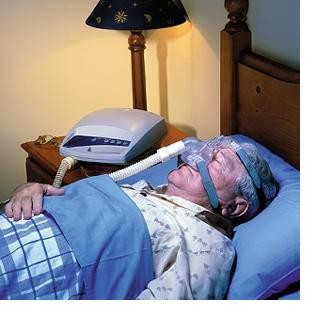
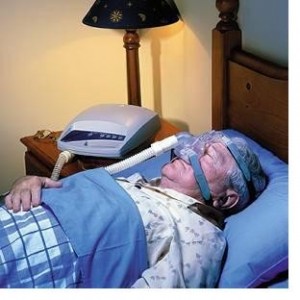 CPAP stands for Continuous Positive Airway Pressure. A medical device uses respiratory ventilation to treat sleep apnea.
 While wearing a mask connected to a hose, the machine pumps pressurized air into your throat and lungs as you sleep. It is the most common treatment of OSA (obstructive sleep apnea), but is expensive and can have significant side effects.
Fortunately, most people are able to deal with sleep apnea by making certain changes in their sleeping habits, along with more general lifestyle adjustments. It is often a process of trial-and-error until the right combination is found to make sleep apnea syndrome a manageable condition.
Having said that, sleep apnea is often a problem that requires years of behavior modification to overcome, and may require more serious intervention via surgery or CPAP medical device.
(published December 27, 2010)

Latest Health News Tweets:
- There have been no recent tweets.
Share Your Weight Loss Story!


Grab a Weight Loss Badge!