-
Ask the Doctor: Bariatric Gastric Bypass Explained
Thursday, April 25th, 2024by Dr. Robert Smith
The surgical procedure known as bariatric gastric bypass is a way to achieve major (and hopefully permanent) weight loss. It is also a potential remedy for type 2 diabetes and other health conditions related to morbid obesity. Statistics show that gastric bypass surgery can help people as much as 90 percent of their excess body weight.
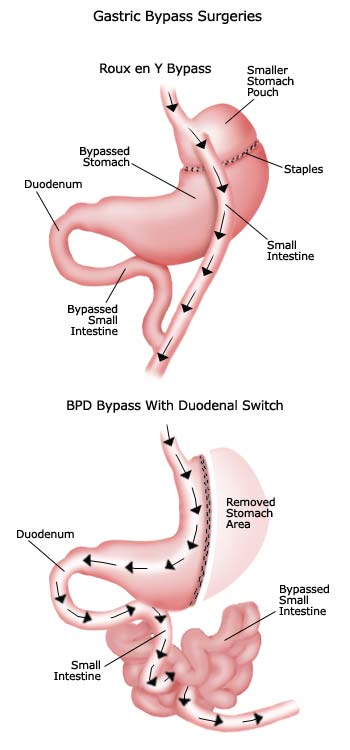 This operation works by modifying the stomach to limit food intake and suppress appetite. If you have an obesity-related medical condition, you may be able to lose weight and improve your overall health by undergoing bariatric gastric bypass surgery.
Gastric bypass surgery helps you lose weight by changing how your stomach and small intestine digest the food you eat. After the surgery, your stomach will be smaller, so that you will feel full even though you are eating less food.
Moreover, the food you eat will no longer go into certain areas of your stomach and small intestine. Since your stomach and intestines aren’t completely digesting the food, your body will not absorb all the calories.
Gastric bypass can be done in two ways. The first way is for your surgeon to make a large incision in your belly. Your surgeon will then reach inside and perform the bypass by directly moving around your stomach, small intestine, and other organs.
The second way to do bariatric gastric bypass is to use a tiny camera, or laparoscope. This is called laparoscopic bariatric surgery. First, the surgeon will make several small incisions in your belly. Then he or she will pass the laparoscope through one of these incisions.
The laparoscopic stomach camera will be connected to a video monitor in the operating room, and your bariatric surgeon will look at the monitor to see inside your belly. Using thin surgical instruments, the doctor will then perform the gastric bypass.
Gastric Bypass Surgery: The Basics
There are two basic steps involved for each type of gastric bypass:
- Step One: This reduces your stomach size. Your bariatric doctor will use staples to separate your stomach into a small upper section and a larger bottom section. The top section of the stomach is called the “pouch” and this is where the food you eat goes. This pouch is about the size of a golf ball. It holds only about 1 ounce of food.
- Step Two: This is the bypass itself. Your gastric surgeon will connect the jejunum, which is a part of your small intestine, to a small hole in your pouch. The jejunum is located farther down from where the stomach normally attaches to the small intestine. Food consumed will now move from the pouch into this new opening into the small intestine.
When food travels this way, it “bypasses” the lower part of your stomach and the first section of the small intestine. As a result, your body will now absorb fewer calories.
Gastric Bypass: What are the Risks?
Gastric bypass surgery usually takes about 4 hours, and is followed by several days of recovery in the hospital. A liquid diet starts almost immediately after the surgery, with a gradual transition to solid foods.
Be aware that this type of weight loss surgery can increase the risk of gallstones. Your bariatric physician may also recommend that you have surgery to remove your gallbladder before your gastric bypass surgery.
Be sure to consider all your options and educate yourself thoroughly before making the decision to have bariatric gastric bypass. It is major surgery, it is expensive, and it requires a commitment to major dietary and lifestyle changes in order to be successful over the long-term.
Will Insurance Pay for Bariatric Gastric Bypass Surgery?
According to recent surveys, gastric bypass surgery costs $25,000 to $30,000 on average. Whether or not the procedure and its related costs are covered by health insurance depends on your insurance company, your particular insurance policy, and the state where you live.
You should start by reviewing your insurance policy to determine whether or not you are covered. Some insurance plans specifically state they will not pay for obesity treatment or weight loss surgery and its related care, which means that they will not cover a gastric bypass procedure.
If you have coverage with an HMO, you will need to see your primary care physician to obtain his or her approval before seeing a bariatric surgeon. Once you have seen the bariatric surgery specialist and have been deemed a candidate for weight loss surgery, you will need to begin what is known as the pre-authorization process.
The approval process for weight loss surgery is usually more complicated than for other more common medical procedures. Your insurance carrier will request both your physician and your bariatric surgeon submit a “letter of medical necessity” as part of the weight loss surgery pre-authorization. This letter explains to the insurance company how having a bariatric procedure will improve your health and overall well-being.
After the above is completed, your request for authorization will be approved, denied, or the insurance company may request additional information. Your doctors will need to stay in touch with your insurance company via phone calls or additional letters as they are requested.
In the case where you are denied pre-authorization for weight loss surgery by your insurance company, it is possible to appeal the decision. You are normally allowed one or two months from the date of such denial to submit your appeal. The process usually begins with a letter of appeal being sent to the insurance company by both you and your bariatric surgeon.
(published April 7, 2010)

Latest Health News Tweets:
- There have been no recent tweets.
Share Your Weight Loss Story!


Grab a Weight Loss Badge!